


Home – Oral Oncology

Oral Cancer: What You Need to Know

Oral cancer begins as a small change in the cells of the mouth or lips. It is fairly common in India, and it is curable when found early, while it is still small and hasn’t spread.

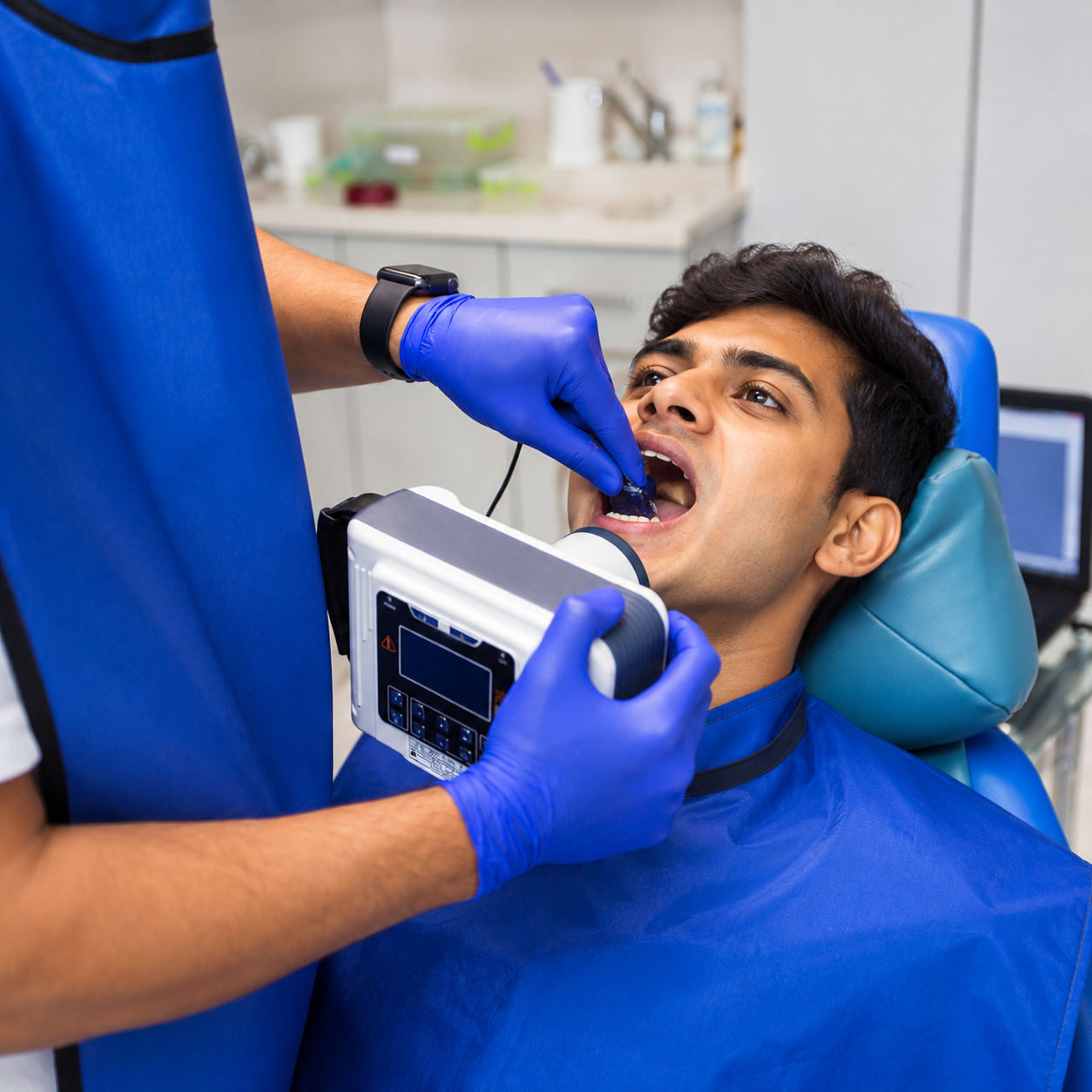
Because the mouth and lips are easy to examine, a doctor or dentist can often spot early changes during a routine check-up. The most common type is squamous cell carcinoma.

How Is Oral Cancer Diagnosed?

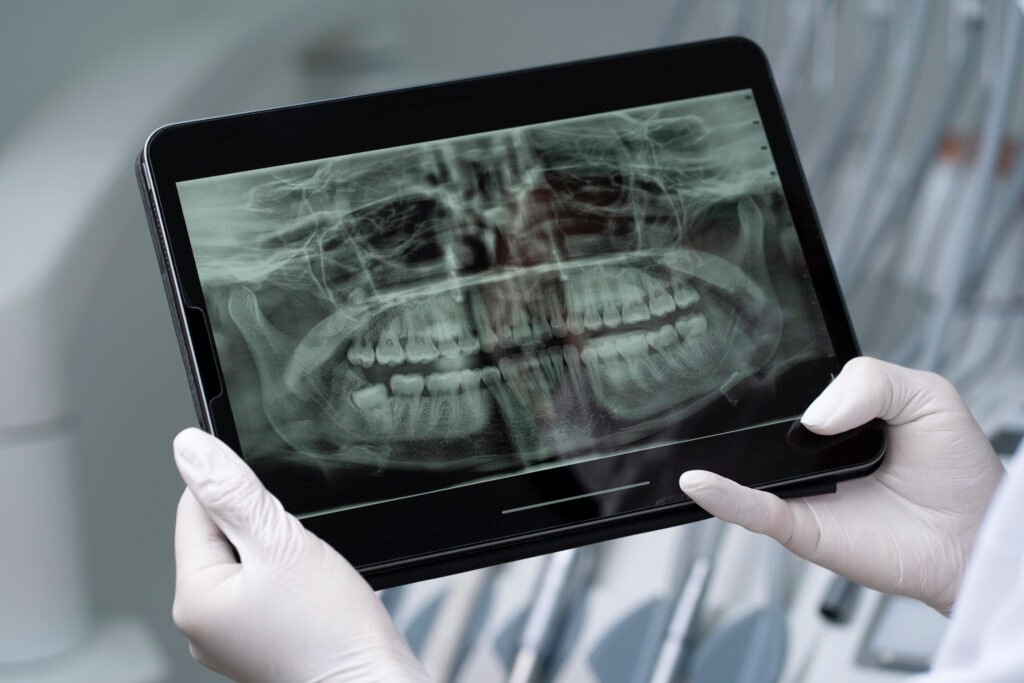
Oral cancer is often found during routine oral examinations or at screening camps. If you notice any symptoms, tell your doctor right away.

If cancer is suspected, a biopsy is done. A tiny tissue sample is taken and tested, and it is the only sure way to confirm cancer. Results usually take about a week.

If cancer is confirmed, further tests help us understand your overall health and the stage of the cancer. Your doctor will then explain what the stage means for your treatment, in words you can easily understand. Please ask as many questions as you need.

How is oral cancer treated?

Your treatment choices depend on the type of oral cancer you have, test results, and the stage of the cancer. The goal of treatment may be to cure you, control the cancer, or help ease problems caused by the cancer.

Make an Appointment

Are you at risk for Oral Cancer??
Smoking
Fair skin
Heavy alcohol use
Weakened immune system
Past or current use of any form of tobacco
Using betel quid or gutka chewing tobacco products
Chronic mouth irritation, such as from dentures, wisdom teeth
Can oral cancer be prevented?
Quit using all types of tobacco
Limit or don’t drink alcohol
Prevent HPV infection
Have dentures fitted correctly
Take care of your mouth and teeth
Protect yourself from ultraviolet light exposure
Stay away from other people’s tobacco smoke (secondhand smoke)
What are the symptoms of oral cancer?
Loose or painful teeth
Unexpected weight loss
A change in your voice
Pain in your ear or jaw
Reduction in mouth opening
Pain when you chew or swallow
Trouble chewing or swallowing

Oral Cancer Treatment Options

The right treatment depends on where the cancer is, its size and whether it has spread. For many patients surgery is the main treatment, sometimes followed by radiation or other therapy. Our team plans your care together and also thinks ahead to how you will eat, speak and look after treatment.
Surgery
Removal of the tumour and, when needed, nearby tissue, planned to protect speech, swallowing and appearance.
Radiation Therapy
Arranged through our partner hospitals at
lower cost, when your treatment plan
calls for it.
Reconstruction and Rehabilitation
Restoring function and appearance
after surgery, with support for speech and swallowing.
Radiation Therapy
Arranged through our partner hospitals at lower cost, when your treatment plan calls for it.
Chemotherapy
Delivered at our Day Care Centre so most patients can go home the same day.
Targeted Therapy
Medicines that act on specific features of cancer cells, used when suitable.

Frequently Asked Questions

Is oral cancer curable?
Yes, especially when found early. Early-stage oral cancer has much better outcomes, which is why regular screening matters.
How often should I get screened?
If you use tobacco or alcohol, a yearly oral screening is advisable. Your doctor can advise you based on your own risk.
Is a biopsy painful?
It is a minor procedure done with local anaesthesia. You may feel some soreness afterwards for a day or two.
Will treatment affect my speech and eating?
It can, depending on the site and stage of the cancer. Our team plans treatment to protect these functions as far as possible and supports you through recovery.
I’ve quit tobacco. Am I still at risk?
Your risk falls steadily after you quit, but regular check-ups are still wise. Quitting is always worth it.